

Turn Website Traffic Into Qualified Leads For Your Business
You’ve invested time, money, and resources into driving traffic to your website. You’re posting on social media, optimizing for SEO and AI search, running ads, updating your blog. You’re doing the work to get noticed, but business is STILL slow.
Here’s the deal. Not everyone who visits your website is ready to buy, book a consultation, or request a quote. Some are researching their options, comparing providers, or looking for answers. They might be exactly the kind of client you’re looking for, but without a compelling reason to connect, they’ll read, click around, and leave. And they may never come back.
That’s a missed opportunity.
Building meaningful relationships with potential customers is an important part of growing a successful business, and your website should be helping you make those connections.
Lead capture forms give you a way to turn anonymous website visitors into people you can actually connect with. By offering something valuable in exchange for their information, you can introduce potential clients to your business, demonstrate your expertise, and start building trust before they’re ready to make a purchase.
From newsletter subscriptions and downloadable resources to event waitlists and consultation requests, there are plenty of ways to encourage visitors to engage with your business.
So, what exactly are lead capture forms, how do they work, and where should you use them on your website? Let’s explore the different types of lead captures, where to place them, and the best practices that can help you generate leads and create more opportunities for your business.
TL;DR: How to Capture More Qualified Leads From Your Website
Lead capture forms collect information from website visitors, often in exchange for something valuable, such as a downloadable guide, newsletter subscription, event registration, or consultation. They help businesses connect with potential customers, build email marketing lists, and create opportunities for future sales.
Here’s what makes a lead capture form effective:
- Offer something valuable. Give visitors a compelling reason to share their information.
- Keep it simple. Ask for the information you actually need.
- Choose the right type of form. Match your offer to your audience and what they’re looking for.
- Place forms strategically. Use relevant pages, pop-ups, sidebars, and landing pages to make your offer visible.
- Pay attention to timing and design. Make the experience easy, attractive, and mobile-friendly.
- Have a plan for following up. Deliver what you promised and continue providing value.
The most effective lead captures make it easy for visitors to take the next step while helping your business build relationships with people who are genuinely interested in what you offer.
What is a Lead Capture Form, Anyway?
A lead capture form, also known as a lead generation form, collects information from website visitors in exchange for something valuable, such as a downloadable PDF, white paper, newsletter subscription, or product demo. Some forms simply ask for a name and email address, while others collect additional details to help businesses better understand their potential customers.
Lead capture forms are an important part of digital marketing because they help you connect with interested visitors, grow your email list, and create opportunities for future sales. They also give you a way to build relationships with potential clients who aren’t quite ready to buy. These forms often work best when connected to a customer relationship management (CRM) system, but you don’t need one to start capturing leads from your website!
What Information Should You Include in a Lead Capture Form?
Lead capture forms can be as simple or sophisticated as your business needs. If you’re building an email list, a name and email address may be all you need. If your business relies on one-on-one consultations, collecting a phone number or a few details about the visitor’s needs might make sense.
More complex forms can include dropdown menus, comment fields, and conditional logic that displays different questions based on previous answers. For example, you could ask visitors which services they’re interested in and tailor the remaining questions accordingly. Just don’t overcomplicate it! Ask for the information you actually need and make it easy for visitors to take the next step.
Make More of the Traffic You're Already Getting
The right lead capture can turn a casual visitor into a valuable connection. At Pursu, we help you find those opportunities and create compelling offers and forms that get results.
Ready to capture more leads?
4 Types of Lead Capture Forms to Grow Your Business
There are plenty of ways to use lead generation forms and pop-ups to connect with potential customers, grow your email list, and encourage visitors to take action. The right approach depends on your business, what you’re offering, and the people you’re trying to reach.
Here are four common types of lead captures you can use on your website.
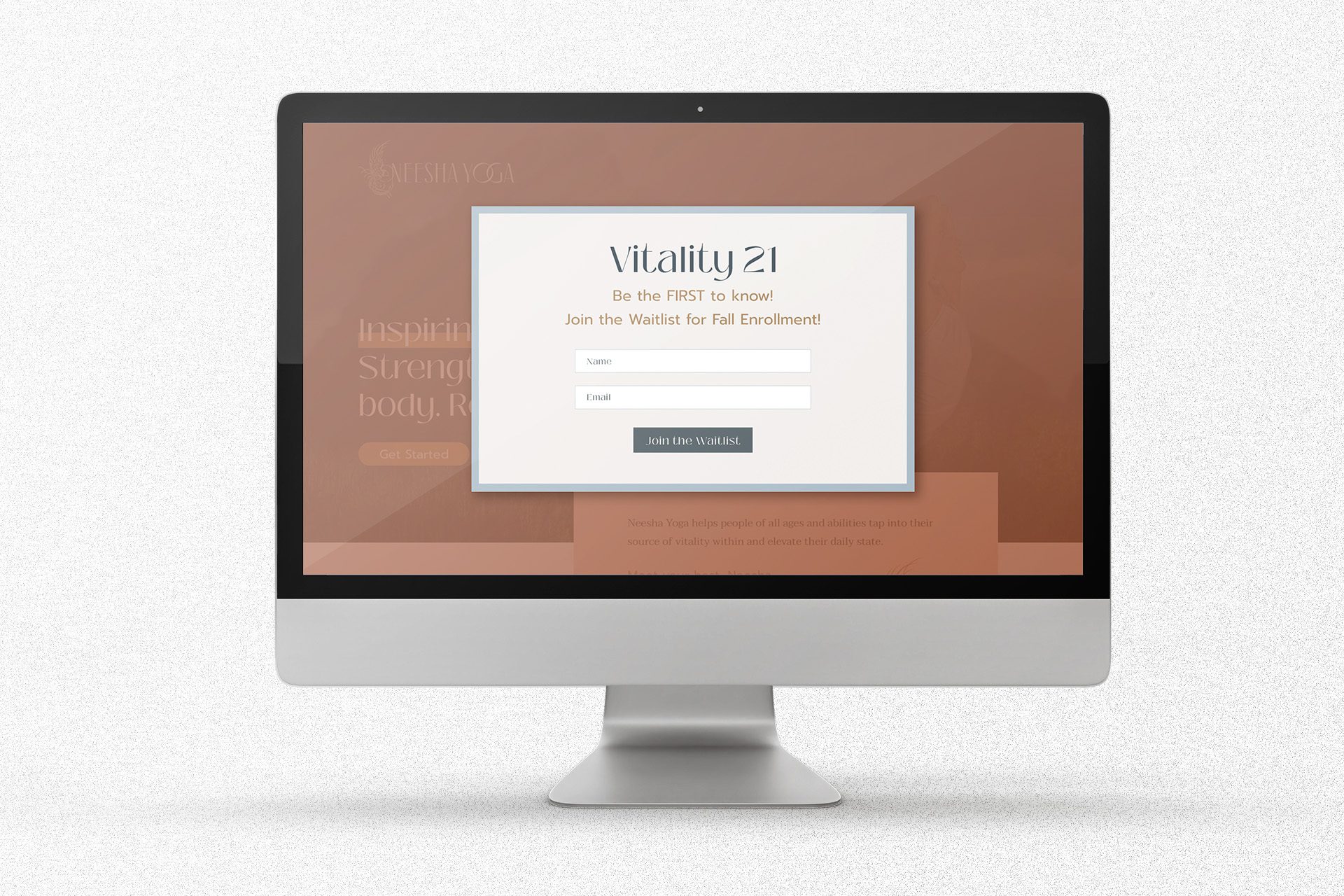
1. Event Registrations and Waitlists
Have an upcoming event, online course, retreat, or new offering? Give visitors an opportunity to be the first to know! A waitlist or early-access form lets people express interest before registration opens or a product becomes available.
This is a great way to build anticipation, gauge interest, and start connecting with potential customers before launch. When enrollment opens or your new offering is ready, you’ve already got a list of interested people to notify.
Why It Works: People love feeling like they’re getting access to something special. Waitlists and early registrations tap into anticipation, curiosity, and a sense of exclusivity. Being among the first to know, getting early access, or securing a limited spot makes an opportunity feel more desirable and gives people a reason to act now rather than putting it off until later.
2. Newsletter, Blog, and Podcast Subscriptions
If you’re consistently creating valuable content that your ideal clients want to read, watch, or listen to, why not give them an easy way to receive it? Newsletter subscriptions are a great way to stay connected, share your expertise, and build an engaged community around your business.
But let’s get creative! Practically every website has a “Sign Up for Our Newsletter” form, and frankly, that’s not much of a selling point. What makes YOUR newsletter worth subscribing to? Maybe it’s exclusive tips, behind-the-scenes insights, early access to new offerings, or a little personality and entertainment they won’t find anywhere else. Give people something to look forward to receiving, and make that the reason they subscribe.
Don’t have a traditional newsletter? Offer subscriptions to your blog, podcast, or video channel and notify subscribers when new content is available. Whatever you’re sharing, make sure people know what they’re getting and why it’s worth their attention.
Why It Works: People are drawn to content that makes them feel informed, inspired, entertained, or part of something. A compelling subscription offer creates a sense of belonging and gives them something to anticipate. When you consistently deliver on that promise, you build familiarity and trust, making your business a welcome presence in their inbox instead of another email they delete.
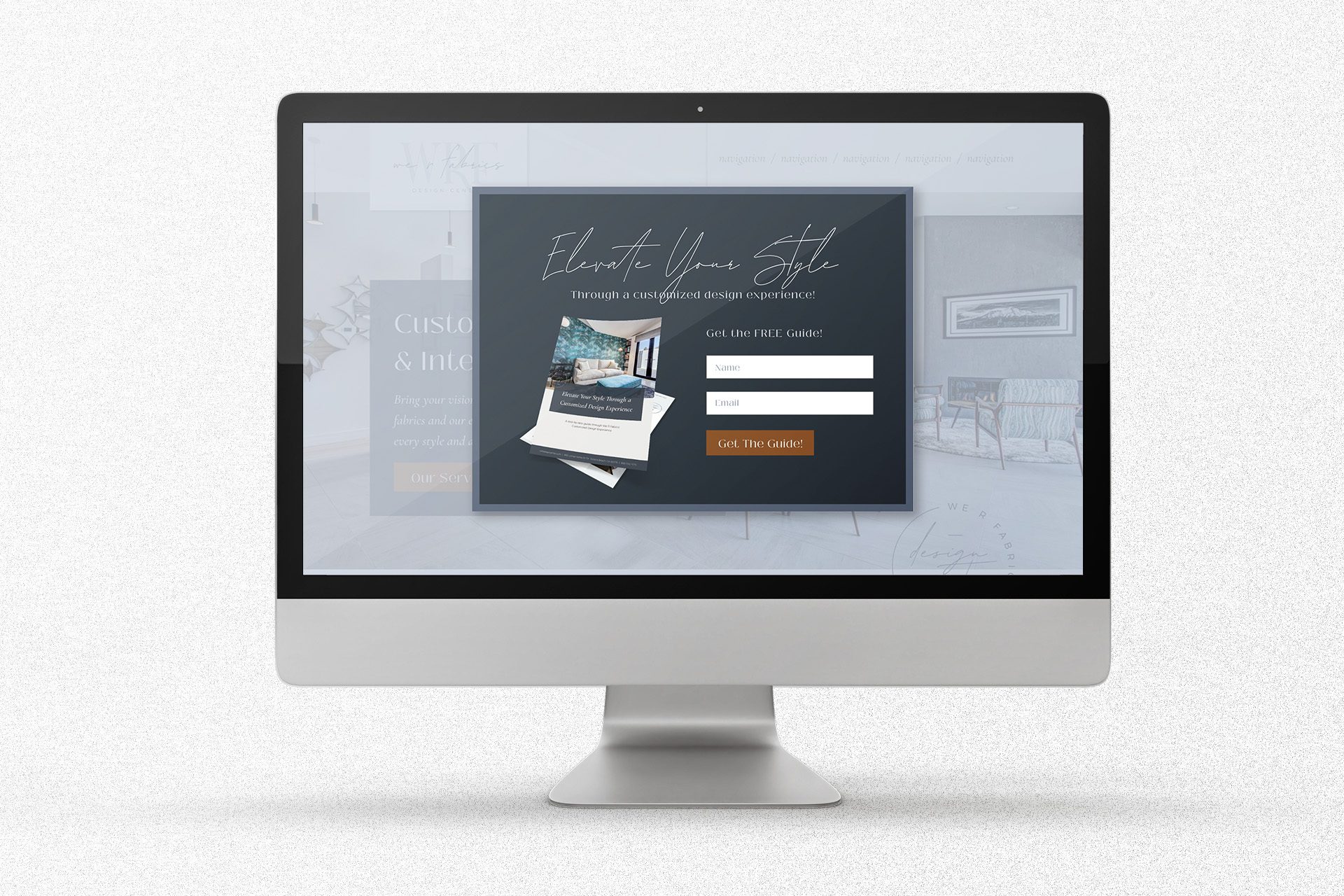
3. Free Downloads, Guides, and Resources
Everybody loves something useful, especially when it’s free! One of the most popular types of lead captures is a downloadable resource, often called a lead magnet. This could be a PDF guide, workbook, checklist, white paper, brochure, or pricing document that visitors receive in exchange for their contact information.
Whatever you offer, make sure it’s valuable to the people you want to attract. A useful resource can help answer questions, solve problems, and demonstrate your expertise while giving potential clients an opportunity to learn more about your business. And don’t feel like you need to create a massive ebook. Sometimes a practical, well-designed checklist is exactly what someone needs.
Why It Works: This taps into the principle of reciprocity. When you give someone something genuinely useful without asking for a purchase, you create a positive first impression and demonstrate your value. People are more likely to trust a business that’s already helped them solve a problem, making them more receptive to future interactions and opportunities to work together.
4. Consultation Requests and Product Demos
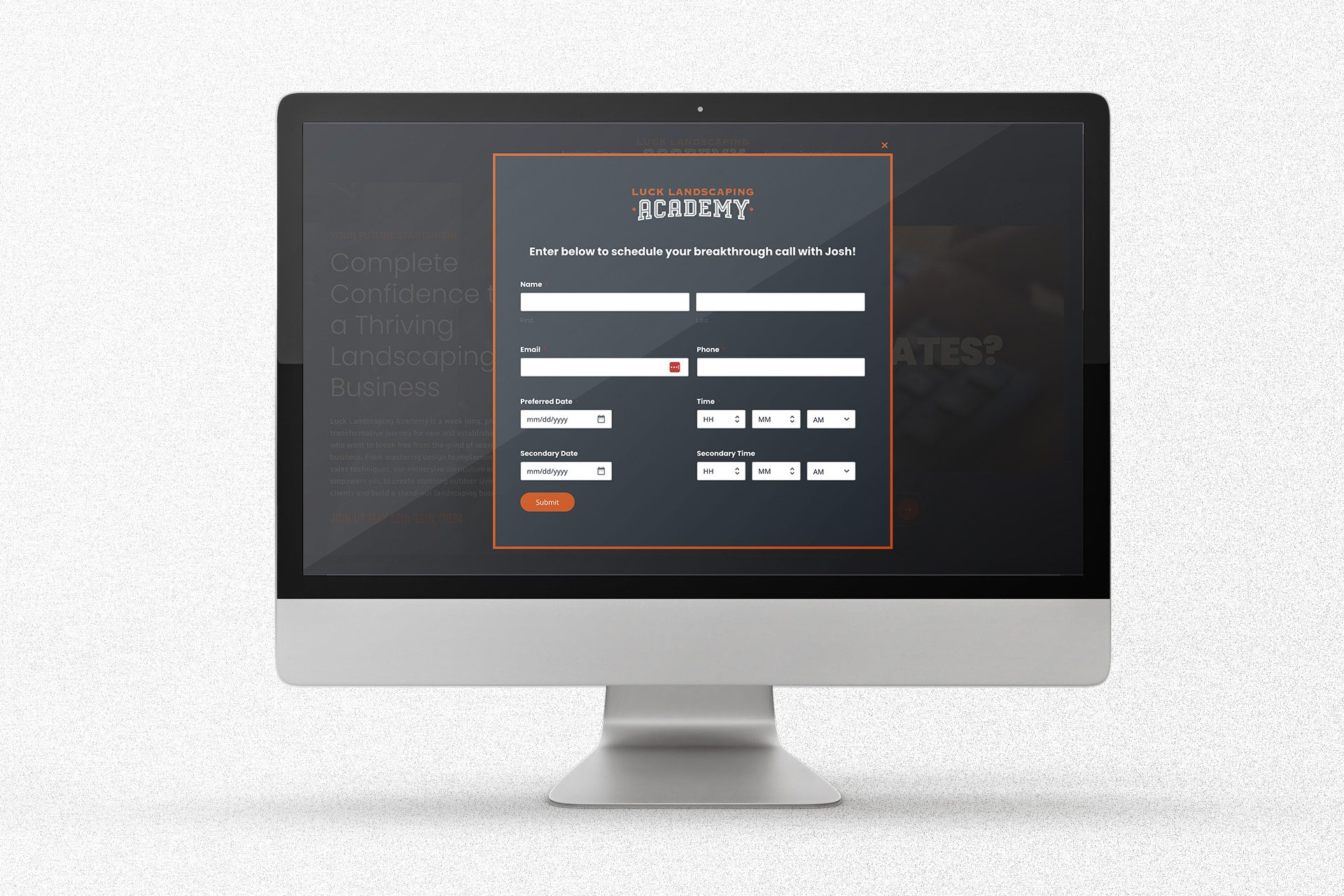
Sometimes visitors are ready to talk. Make it easy for them! If your business offers specialized services or products that require some explanation, a consultation request or product demo can be a great way to get interested prospects into your sales pipeline.
You can streamline the process with dropdown menus, a few qualifying questions, or an interactive calendar that allows visitors to choose a convenient time to connect. It’s easier for them, and your team gets the information needed to prepare for a productive conversation. A win-win!
Why It Works: People want to feel confident before making a decision, especially when they’re considering a significant investment or unfamiliar service. A consultation or demonstration gives them an opportunity to ask questions, get personalized answers, and reduce uncertainty. Making that first conversation easy and approachable helps remove hesitation and gives potential clients the confidence to take the next step.
7 Ways to add Lead Capture Forms to Your Website
Where you place a lead capture form can be just as important as what you’re offering. Think about what visitors are doing when they encounter it. Are they exploring your services, reading an article, considering a purchase, or getting ready to leave?
Think strategically about the timing, placement, and urgency of your offer. A newsletter subscription isn’t time-sensitive, so there’s no reason to interrupt someone with a pop-up ten seconds after they arrive. Give them a chance to explore your content and decide whether they want to hear more from you.
And remember, more forms don’t necessarily mean more leads. Too many competing offers can overwhelm visitors. The goal is to introduce the right offer at the right moment, making it easy for people to engage without interrupting their experience.
Exit-Intent Pop-Ups
Someone’s about to leave your website. Can you give them a compelling reason to stick around or stay connected? Exit-intent pop-ups appear when a visitor’s behavior suggests they’re leaving, creating one last opportunity to introduce a relevant offer.
Put It to Work: An online retailer could offer a first-order discount, while a service-based business might promote a free planning guide. Make the offer worthwhile, and remember that traditional exit-intent detection works primarily on desktop devices.
Timed or Scroll-Triggered Pop-Ups
Someone’s about to leave your website. Can you give them a compelling reason to stick around or stay connected? Exit-intent pop-ups appear when a visitor’s behavior suggests they’re leaving, creating one last opportunity to introduce a relevant offer.
Put It to Work: An online retailer could offer a first-order discount, while a service-based business might promote a free planning guide. Make the offer worthwhile, and remember that traditional exit-intent detection works primarily on desktop devices.
Sidebar Forms
Sidebars give you an opportunity to promote an offer alongside your content without interrupting the reading experience. They’re especially useful on blogs, podcast pages, and resource libraries where visitors are already looking for information.
Put It to Work: A financial advisor could feature a retirement planning guide alongside educational articles. Keep the offer relevant to the content, and remember that sidebars often move below the main content on mobile devices.
Footer Forms
Visitors who reach the bottom of a page may have already spent time learning about your business. Your footer gives them another opportunity to stay connected without introducing an intrusive pop-up.
Put It to Work: Instead of another generic newsletter signup, invite visitors to receive something specific, like monthly industry insights, new podcast episodes, or exclusive tips. Your footer appears across multiple pages, so choose an offer with broad appeal.
Contact Page Forms
Visitors who navigate to your contact page are often looking for a way to take the next step. Don’t make them work for it! A well-designed contact form makes it easy to ask questions, request information, or start a conversation.
Put It to Work: A home services company could let visitors select the type of service they need, while a creative agency might ask a few questions about project goals. Collect enough information to make the follow-up useful without turning the form into an interrogation.
Slide-In Forms and Modals
Want to draw attention to an offer without sending visitors to another page? Slide-in forms appear from the edge of the screen, while modals display an overlay that asks visitors to focus on a particular message. Both can be effective, but the amount of interruption matters.
Put It to Work: A business hosting an upcoming workshop could use a slide-in to promote registration while visitors explore related content. Keep the message brief, make it easy to dismiss, and avoid repeatedly showing the same offer.
Landing Pages
Sometimes you want visitors focused on one thing. A dedicated landing page gives you the space to explain a specific offer, communicate its value, and encourage visitors to take action without competing messages.
Put It to Work: Running a social media campaign for a free business planning workbook? Send visitors to a landing page that explains what they’ll learn, shows a preview, and makes downloading it easy. Keep the headline, offer, and form aligned with the campaign that brought them there.
5 Best Practices for Creating Effective Lead Capture Forms
Lead capture forms and pop-ups can be incredibly effective for connecting with potential customers, but there’s a fine line between capturing someone’s attention and annoying them. Nobody wants to fight through three pop-ups just to read an article!
Creating an effective lead capture form means thinking beyond the information you want to collect. Consider the experience you’re creating, the value you’re offering, and what might motivate someone to take action.
1. Timing and Triggers
We’ve all encountered a pop-up that appears the second we land on a website. I don’t know about you, but that’s an immediate turnoff for me! Give visitors a chance to explore your content and get familiar with your brand before asking them to share their information.
Consider the urgency of your offer and how it relates to visitor behavior. An upcoming event with limited registration might warrant more attention than a general newsletter subscription. Experiment with timing and triggers to find what encourages engagement without disrupting the user experience.
2. Relevance and Value
Your offer needs to be something your visitors actually want. Think about what brought them to your website, what questions they’re trying to answer, and what would make their experience more valuable.
For example, someone reading about website redesigns might appreciate a downloadable planning checklist, while someone comparing your services may be more interested in pricing information or a consultation. The more relevant your offer is to what someone needs, the more compelling their reason to engage.
3. Design and Visual Impact
Believe it or not, design plays a big role in conversions! Your lead capture forms should be visually appealing, easy to understand, and consistent with your brand’s identity. A poorly designed form can undermine an otherwise great offer.
Use clear typography, thoughtful spacing, and a compelling call to action that tells visitors exactly what they’re getting. Make the form easy to complete, and don’t overlook the details. Confusing labels, unnecessary fields, or buttons that are difficult to find can create friction and discourage people from taking action.
4. Mobile Optimization
Your lead capture forms need to work just as well on mobile devices as they do on desktop computers. Make sure they’re responsive, easy to read, and simple to complete on smaller screens.
Pay particular attention to pop-ups that cover the entire screen or are difficult to close. Test your forms on different devices and screen sizes, and make sure visitors can easily interact with them without accidentally clicking something else.
5. Keep it Clear, Concise, and Compelling
Don’t make visitors work to figure out what you’re offering! Your lead capture form should communicate its value in seconds. Use a strong headline, a brief explanation of what they’ll receive, and a clear call to action that tells them exactly what happens next.
Skip the lengthy descriptions, unnecessary questions, and generic buttons like “Submit.” Instead, use action-oriented language like “Get the Free Guide,” “Save My Spot,” or “Schedule a Consultation.” Make the value obvious, the decision easy, and the next step effortless.
6. Privacy and Legal Considerations
When someone shares their personal information with your business, they’re trusting you to handle it responsibly. Be transparent about what you’re collecting, how you’ll use it, and what they can expect after submitting a form.
Include appropriate consent options and access to your privacy policy, and follow applicable privacy regulations such as GDPR and CCPA. Remember, downloading a free resource doesn’t automatically mean someone wants to receive every marketing email you send. Respecting their preferences is part of building a relationship worth maintaining.
frequently asked
questions
What is the difference between a lead capture and a lead magnet?
A lead capture form collects information from website visitors, while a lead magnet is the incentive offered in exchange for that information. For example, a free downloadable checklist is a lead magnet, and the form someone completes to receive it is the lead capture form.
You don’t necessarily need a lead magnet to generate leads. Consultation requests, event registrations, and contact forms can also be effective when they offer visitors a clear reason to connect with your business.
What type of lead capture form generates the most leads?
The most effective lead capture forms depend on your business, your audience, and what you’re trying to accomplish. Newsletter subscriptions and free downloads can help build an audience, while consultation requests, quote forms, and product demos often attract visitors with stronger purchasing intent.
Think about quality, not just quantity. A hundred newsletter subscribers aren’t necessarily more valuable than five qualified prospects who are genuinely interested in your services.
How can I get more leads from my business website?
Start by making sure your website gives visitors a compelling reason to connect with your business. That might mean offering a valuable resource, simplifying your contact forms, adding consultation booking options, or placing relevant offers throughout your website.
The key is understanding what your visitors need and making the next step obvious. At Pursu, we help businesses develop strategic lead capture forms and optimize their websites to turn more visitors into potential customers. Let’s Talk.
Why aren't people filling out my lead capture forms?
There could be several reasons. Your offer might not be compelling, the form could be asking for too much information, or visitors may not understand what they’ll receive after submitting it. Poor placement, confusing design, and technical issues can also hurt conversions.
Take a look at the entire experience from your visitor’s perspective. Is the value clear? Is the form easy to complete? Does it work properly on mobile? Sometimes relatively small improvements can make a meaningful difference.
What makes a website convert visitors into leads?
A website that converts visitors into leads is built around several strategic elements working together. Clear messaging helps visitors immediately understand what the business does and who it serves. Strong positioning shows why the company is the right choice compared to competitors. Fast performance and reliable technology ensure the site loads quickly and functions smoothly. An easy-to-navigate user experience helps visitors find the answers they need without confusion.
When these elements work together, visitors quickly understand the value of the business and feel confident reaching out.
What type of lead capture or lead magnet should I offer?
What Should I Offer in Exchange for Someone’s Contact Information?
Think about what your ideal customers would genuinely find useful. Depending on your business, that could be a downloadable guide, pricing information, a checklist, exclusive content, early access to an event, or a personalized consultation.
You don’t need to give away something elaborate or expensive. The best offers solve a real problem, answer an important question, or make someone’s next decision easier. Focus on relevance and value rather than creating something just because everyone else is doing it.
How many lead captures or forms should I have on my website?
There’s no magic number. You might have a contact form, a newsletter subscription, and a few strategically placed offers throughout your website. What matters is whether each form serves a clear purpose and makes sense in the context of the page.
Avoid overwhelming visitors with competing messages or repeatedly showing the same pop-up. A thoughtful lead generation strategy focuses on creating the right opportunities to connect, not simply adding more forms.
How do I know if my lead capture forms are working?
Track how many people see your forms, how many complete them, and what happens after they submit. Conversion rates are useful, but they don’t tell the whole story. Pay attention to the quality of your leads, how many inquiries turn into conversations, and whether those conversations result in new business.
If you’re getting plenty of traffic but very few inquiries, it’s worth evaluating your website’s messaging, user experience, and conversion opportunities. Pursu can help you identify what’s getting in the way and make strategic improvements that turn more of your website traffic into leads. Let’s Talk.
What happens after someone fills out a lead capture form on my website?
Ideally, something useful happens immediately! Depending on the form, that might mean delivering a downloadable resource, sending a confirmation email, providing a scheduling link, or notifying your team that someone has requested information.
Don’t overlook the follow-up. A lead capture form starts the conversation, but your response and ongoing communication help determine whether that connection becomes a customer. Connecting your forms to a CRM or marketing automation system can make the process easier to manage and help prevent valuable opportunities from slipping through the cracks. Want to connect your CRM and make your lead capture forms more effective? Let’s Talk.
Build Better Lead Captures & Stop Losing Leads
At Pursu, we turn missed opportunities into meaningful connections. We develop lead capture strategies that attract your ideal clients, create offers worth signing up for, and design forms that make converting easy. Then we connect everything to your marketing and sales systems so leads get the right follow-up at the right time. The result? More qualified inquiries, fewer missed opportunities, and a website that works harder to grow your business.
Ready to turn more website visitors into paying clients?

 Us